
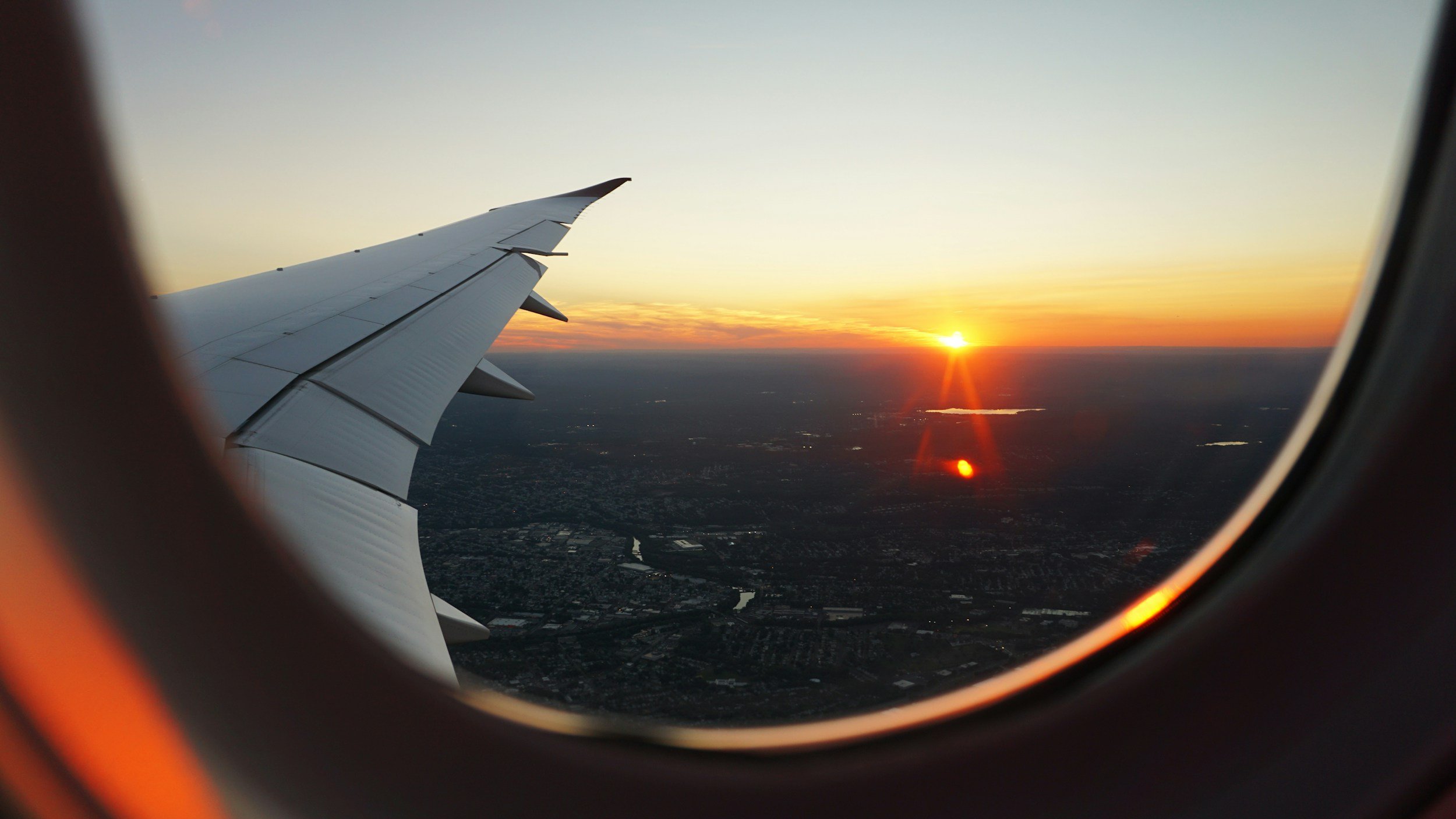
The holidays are full of things we look forward to: family gatherings, favorite traditions, and making memories with the people we love. But getting there? That's not always quite as enjoyable!
Between crowded airports, long car rides, disrupted sleep schedules, and the excitement (or chaos!) of traveling with kids, holiday travel can put extra demands on your body and nervous system.
At Precision Chiropractic, we talk a lot about how your nervous system is constantly working behind the scenes to help your brain and body communicate, adapt, and respond to the world around you.
And here's something worth remembering as you pack your bags this holiday season: Your nervous system doesn't take a vacation just because you do!
The good news? A little preparation can go a long way toward making your holiday travels more comfortable for the whole family.
1. Your Nervous System Is Along for the Ride
Whether you're spending eight hours in the car or navigating a busy airport, your nervous system is constantly processing information from your surroundings.
Your brain is receiving input from your muscles, joints, eyes, ears, and sensory receptors to help coordinate movement, maintain balance, and respond to changes in your environment.
Now think about everything that happens during holiday travel.
You're sitting for extended periods, carrying luggage, navigating unfamiliar places, managing schedules, and possibly dealing with a few unexpected surprises along the way.
All of those experiences create additional physical and sensory demands.
And while your nervous system is designed to adapt to changing environments, travel can sometimes leave you feeling physically tense, mentally exhausted, or more easily overwhelmed.
That's why preparing for holiday travel should involve more than simply packing your suitcase.
2. Keep Moving, Even When You're Going Nowhere
Long periods of sitting can contribute to muscle stiffness, joint discomfort, and reduced circulation.
And if you've ever stepped out of a car after a long road trip and felt like you needed a few minutes just to straighten up, you know exactly what we're talking about!
Movement provides important sensory information to your brain through receptors in your muscles, joints, and tendons. This information, known as proprioception, helps your nervous system understand where your body is in space and coordinate movement.
Try these simple travel habits:
During road trips, stop approximately every 1–2 hours to walk and stretch when practical.
On flights, move your ankles and legs regularly, and walk the aisle when it's safe to do so.
Encourage kids to move their bodies during rest stops.
Gently stretch your shoulders, neck, and back after long periods of sitting.
Avoid staying in the same position for hours without adjusting your posture.
You don't need a full workout. Even a few minutes of movement can help reduce stiffness and keep your body feeling more comfortable.
3. Don't Underestimate the Power of Sleep
Holiday travel has a way of throwing everyone's routine out the window.
Early flights, late-night arrivals, unfamiliar beds, and exciting holiday activities can all interfere with normal sleep schedules.
But sleep is incredibly important for nervous system health and normal immune function.
While you sleep, your brain is involved in processes that support memory, learning, emotional processing, and recovery. Adequate sleep also helps your immune system function properly.
When you're not getting enough rest, you may notice that you're more irritable, less focused, and more sensitive to everyday stress.
And if you're traveling with children, you've probably seen firsthand how quickly an overtired child can go from happy to overwhelmed!
A few ways to protect your family's sleep:
Keep bedtimes as consistent as reasonably possible.
Bring familiar comfort items for younger children.
Avoid overscheduling every minute of your trip.
Give everyone time to wind down before bed.
Plan for rest after particularly long travel days.
Remember, sometimes the best thing you can add to your holiday itinerary is a little downtime.
4. Don't Forget to Hydrate!
Between early flights, long car rides, holiday coffee runs, and busy travel schedules, drinking enough water can easily fall to the bottom of your priority list.
But here's something you might not realize: Your brain and nervous system depend on proper hydration to function well!
Water plays an important role in maintaining blood volume, transporting nutrients, regulating body temperature, and supporting the electrical and chemical processes your nerve cells use to communicate.
Even mild dehydration can contribute to headaches, fatigue, difficulty concentrating, and changes in mood. And when you're already navigating busy airports, traffic, and disrupted routines, those symptoms can make travel feel even more exhausting.
Your body also relies on proper fluid and electrolyte balance to support normal muscle and nerve function.
A few simple ways to stay hydrated while traveling:
Start before you leave. Drink water throughout the day rather than waiting until you're thirsty.
Bring a refillable water bottle. An empty bottle can usually pass through airport security and be filled before boarding.
Don't skip water to avoid bathroom breaks. Plan for regular stops instead.
Balance out the holiday drinks. Enjoy your coffee or festive beverages, but make sure you're drinking water throughout the day, too.
Keep kids hydrated. Children can get so caught up in the excitement of traveling that they forget to drink. Offer water regularly.
Pay attention to the signs. Dark yellow urine, dry mouth, headaches, and unusual fatigue may indicate that you need more fluids.
And remember, you don't necessarily need electrolyte packets or sports drinks for everyday travel. For most healthy people, water and regular meals are enough to maintain hydration.
The nervous system connection? Your brain and nerves rely on carefully regulated fluid and electrolyte levels to transmit signals throughout your body. Staying hydrated is one of the simplest ways to support that essential communication.
So while you're packing the snacks, chargers, and travel pillows, don't forget the water bottles!
5. Traveling With Kids? Think About Their Sensory Needs
For some children, holiday travel is one big adventure.
For others, it can be an overwhelming combination of unfamiliar sights, sounds, smells, people, and routines.
Airports are loud. Cars can feel restrictive. Holiday gatherings are busy. And sometimes everyone wants to hug, talk to, or interact with your child at once.
Your child's nervous system is constantly receiving and processing all of that sensory information.
For children who are particularly sensitive to sensory input or who have difficulty with transitions, these experiences can be especially challenging.
Here are a few ways to make travel easier:
Prepare them ahead of time. Talk through what the day will look like and what they can expect.
Pack familiar items. Favorite toys, headphones, books, or comfort objects can help create a sense of familiarity.
Build in movement breaks. Give kids opportunities to stretch, walk, and play when it's safe.
Watch for signs of overwhelm. Irritability, withdrawal, restlessness, or emotional outbursts may be signs that your child needs a break.
Create quiet moments. Sometimes stepping away from the noise and activity for a few minutes makes a big difference.
And here's an important reminder for parents:
Sometimes what looks like difficult behavior is actually a child who's having a difficult time.
A little patience, preparation, and connection can go a long way.
6. Your Travel Posture Matters More Than You Think
Between carrying suitcases, sleeping in unfamiliar beds, and sitting in cramped seats, holiday travel can be tough on your neck, back, and shoulders.
Your muscles and joints contain sensory receptors that continuously send information to your brain about position, movement, and tension.
When you spend long periods in awkward positions or place unusual demands on your body, you may experience stiffness, muscle fatigue, or discomfort.
A few simple things to keep in mind:
Adjust your car seat so your back is comfortably supported.
Keep your feet supported whenever possible.
Avoid spending an entire flight looking down at your phone.
Use a travel pillow if it helps keep your neck comfortable.
Lift heavy luggage carefully, using your legs and keeping the bag close to your body.
Switch sides when carrying shoulder bags or backpacks when appropriate.
The goal isn't to maintain perfect posture every second of your trip.
It's to give your body opportunities to move, change positions, and avoid unnecessary strain.
7. Build in Time to Reset
Let's face it. Holiday travel doesn't always go according to plan.
Flights get delayed. Traffic backs up. Kids get restless. Someone inevitably forgets something important.
And sometimes, the stress of getting to your destination can overshadow the excitement of being there.
Your autonomic nervous system helps coordinate your body's responses to stressful situations.
The sympathetic nervous system prepares you to respond to challenges, while the parasympathetic nervous system supports functions associated with rest, digestion, and recovery.
Both systems are essential, and your body naturally shifts its activity depending on what's happening around you.
While you can't control every travel delay or unexpected change, you can create small opportunities to manage stress.
Try a few of these simple strategies:
Take a few slow, comfortable breaths when you start feeling overwhelmed.
Step away from noisy environments when possible.
Listen to calming music during your drive.
Allow extra time so you're not constantly rushing.
Take a short walk or stretch after arriving at your destination.
Give yourself permission to slow down.
Sometimes a few intentional minutes can make the rest of the day feel a little more manageable.
8. Give Your Immune System Some Extra Attention
Between crowded airports, packed holiday gatherings, and changes in our normal routines, the holiday season can mean more opportunities for exposure to seasonal illnesses.
And while we often think about our immune system only when we're feeling sick, it's actually working around the clock to help protect us.
Your immune system and nervous system are also closely connected. They communicate through complex pathways involving hormones, nerve signals, and immune messengers. Stress and inadequate sleep can influence these interactions and affect normal immune function.
That's one more reason why taking care of your body before and during travel matters!
A few simple ways to support your immune health this holiday season:
Prioritize sleep. Consistent, quality rest helps your immune system function properly.
Stay hydrated. Keep water nearby, especially during long flights and road trips.
Eat a variety of nutrient-rich foods. Fruits, vegetables, protein, and other nutritious foods provide nutrients your immune system needs.
Keep moving. Regular physical activity supports overall health and normal immune function.
Practice good hygiene. Wash your hands regularly, especially after touching frequently used surfaces.
Stay current on recommended vaccinations. Vaccination helps protect against specific respiratory infections that circulate during the holiday season.
Consider additional precautions in crowded spaces. A well-fitting mask and improved ventilation can help reduce exposure to respiratory viruses.
What About Elderberry?
You may have heard about elderberry, especially during cold and flu season!
Elderberries contain naturally occurring plant compounds called anthocyanins, which have antioxidant properties. They've been used traditionally in wellness preparations, and researchers have been exploring their potential effects on immune health and respiratory symptoms.
Some small studies suggest elderberry preparations may help reduce the duration or severity of certain respiratory symptoms, but the evidence remains limited and inconsistent. Elderberry hasn't been proven to prevent colds, flu, or other respiratory infections.
At Precision Chiropractic, we carry elderberry products in our office for families who are interested in incorporating them into their seasonal wellness routines.
If you're curious about elderberry, ask our team about the products we carry. We'll be happy to share more information so you can decide whether they're appropriate for your family.
As with any supplement, it's important to follow product-specific age and dosing instructions and check with your healthcare professional, especially for children, during pregnancy, or if you take medications. Raw or improperly prepared elderberries can also be toxic, so only use properly manufactured products.
Remember, supplements are not a substitute for sleep, nutrition, hygiene, vaccination, or appropriate medical care.
9. Keep Your Chiropractic Care Consistent, Even During the Holidays
When the holiday calendar fills up, it's easy for our normal routines to take a back seat.
Between school breaks, travel plans, family gatherings, and everything else competing for our attention, chiropractic appointments and home exercises can quickly become things we plan to get back to after the holidays.
But consistency matters, especially when your body is dealing with the additional physical demands of travel.
Your nervous system is constantly receiving information from your muscles, joints, and surrounding environment. Prolonged sitting, lifting luggage, unfamiliar sleeping arrangements, and changes in physical activity can all influence how your body moves and feels.
At Precision Chiropractic, our Neuro-Tonal Chiropractic approach focuses on understanding patterns of tension, posture, movement, and neurological responses. Through gentle, individualized adjustments, we work to improve spinal function, reduce musculoskeletal tension, and support more comfortable movement.
For patients following an established care plan, keeping appointments consistent can help maintain continuity of care and give our doctors opportunities to reassess how your body is responding.
Before You Travel
If you have an upcoming trip, consider scheduling your regular adjustment before you leave.
This gives your doctor an opportunity to address any current musculoskeletal concerns, assess how you're moving, and discuss strategies for staying comfortable during your travels.
When You Return
After long flights, road trips, or a week of sleeping in an unfamiliar bed, you may notice changes in muscle tension, stiffness, or movement.
Returning to your regular care schedule allows your doctor to reassess those concerns and determine whether any adjustments to your care plan are appropriate.
You don't necessarily need extra appointments simply because you're traveling, but staying on track with your recommended schedule can help avoid unnecessary interruptions.
Don't Forget Your Prescribed Exercises!
And here's one thing we especially want our patients to remember:
Your home exercises are part of your care plan, too!
If your doctor has recommended specific stretches, strengthening exercises, balance activities, or other movements, don't leave those habits behind when you pack your suitcase.
These exercises are selected to address your individual needs and may help support mobility, strength, coordination, and functional progress between visits.
Even when your schedule looks different, making time for your prescribed exercises can help you maintain the progress you've been working toward.
If you're unsure how to adapt your exercises while traveling, ask your doctor before you leave.
Because caring for your body isn't something you only do when you're in our office. It's something you carry with you wherever life takes you.
A Healthier Holiday Starts Before You Leave Home
The holidays are supposed to be about making memories, enjoying traditions, and spending time with the people who matter most.
And while travel might come with a little extra chaos, it doesn't have to leave your whole family feeling completely worn out.
A few movement breaks, adequate sleep, good hydration, thoughtful nutrition, and a plan for managing stress can make a meaningful difference.
And if you're currently under chiropractic care, remember that maintaining your recommended appointments and keeping up with your prescribed home exercises can be part of staying consistent with your health goals throughout the season.
So before you hit the road or head to the airport this holiday season, remember to take care of the one thing that's coming along on every adventure:
Your nervous system! 💜
From all of us at Precision Chiropractic, we're wishing you and your family safe travels, wonderful memories, and a happy, healthy holiday season.
Traveling This Holiday Season? We're Here for You!
Whether you're preparing for a busy holiday schedule or dealing with neck, back, or muscle discomfort after traveling, our team at Precision Chiropractic in Roswell, GA, is here to help.
Our gentle, individualized Neuro-Tonal Chiropractic approach focuses on spinal function, movement, and the important connection between your brain and body.
Already a patient? Talk with our team about keeping your regular appointments on track before and after your holiday travels, and ask us about adapting your home exercises while you're away.
New to Precision? Schedule a complimentary consultation to learn more about our approach to nervous system-focused chiropractic care.